Manual Lymphatic Drainage
Gentle compression and manual drainage techniques that reduce swelling, support immune function, and accelerate post-surgical recovery.
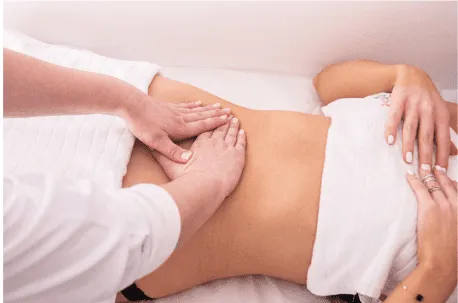
What Is Manual Lymphatic Drainage?
Manual Lymphatic Drainage (MLD) is a specialized therapeutic technique that uses gentle, rhythmic compression and stroking movements to stimulate the flow of lymph fluid through your body’s lymphatic system. Unlike deep tissue massage that targets muscles, MLD works on the superficial lymphatic vessels just beneath the skin — using light pressure and specific directional strokes to move lymph fluid toward regional lymph nodes where it can be filtered and returned to the circulatory system.
At SF Custom Chiropractic, our therapists are trained in Manual Lymphatic Drainage Certification (MLDC) techniques that combine traditional Vodder-based methods with contemporary compression approaches. This specialized training ensures that every session is performed with the precision and anatomical understanding necessary for safe, effective lymphatic therapy.
How Your Lymphatic System Works
Your lymphatic system is a network of vessels, nodes, and organs that serves as your body’s drainage and immune surveillance system. Unlike your circulatory system, which has the heart as a pump, the lymphatic system relies on muscle contraction, breathing, and manual compression to move fluid. When the system becomes sluggish or overwhelmed — due to surgery, injury, illness, or inactivity — fluid accumulates in the tissues, causing swelling (edema), discomfort, and impaired healing.
MLD essentially acts as an external pump for your lymphatic system, gently moving fluid that has stagnated and directing it through the proper drainage pathways. By clearing the lymphatic vessels, MLD also improves the transport of immune cells, waste products, and proteins — supporting your body’s natural defense and detoxification processes.
Conditions Treated with Manual Lymphatic Drainage
MLD is a clinically supported therapy for a range of conditions:
Post-Surgical Recovery
- Post-cosmetic surgery — facelift, liposuction, tummy tuck, breast augmentation or reduction
- Post-orthopedic surgery — joint replacement, ACL reconstruction, rotator cuff repair
- General post-surgical swelling — reducing edema accelerates healing and reduces pain
Lymphedema Management
- Primary lymphedema — congenital lymphatic system dysfunction
- Secondary lymphedema — lymphatic damage from surgery, radiation, or infection
- Cancer-related lymphedema — swelling following lymph node removal or radiation therapy
Acute and Chronic Swelling
- Sports injuries — sprains, strains, and contusions with significant swelling
- Chronic venous insufficiency — leg swelling from poor venous return
- Pregnancy-related edema — swollen ankles and legs during pregnancy
- Post-traumatic edema — swelling from fractures, dislocations, and soft tissue injuries
Immune and Systemic Support
- Chronic sinusitis — facial lymphatic drainage to reduce sinus congestion
- Recurrent infections — supporting immune function through improved lymphatic flow
- Fibromyalgia — reducing fluid retention and improving systemic circulation
- Chronic fatigue — enhancing detoxification and lymphatic function
What to Expect During a Session
An MLD session is distinctly different from other massage therapies. The touch is remarkably light — using approximately the pressure you would use to stroke a newborn’s skin. This is not a sign that the treatment is ineffective; rather, the lymphatic vessels are located very close to the skin surface and respond to light, rhythmic pressure. Deeper pressure actually compresses and closes the lymphatic vessels, making the treatment less effective.
Your therapist will use a specific sequence of movements that follows your body’s lymphatic drainage pathways. Treatment typically begins at the neck (where the lymphatic system drains back into the circulatory system) and progresses outward to the affected areas. This “proximal-to-distal” approach ensures that the drainage pathways are clear before fluid is moved from the swollen area.
Sessions typically last 30-60 minutes depending on the areas being treated. Many patients experience a deep sense of relaxation during treatment, and some notice an increase in urination following the session as the body processes the mobilized fluid.
Post-Surgical MLD Protocol
For post-surgical patients, we typically recommend beginning MLD as soon as your surgeon clears you for manual therapy — often within the first week after surgery. An early and consistent MLD protocol can significantly reduce post-surgical swelling, bruising, and discomfort, leading to faster recovery and better cosmetic outcomes.
A typical post-surgical MLD schedule:
- Week 1-2 post-surgery: 2-3 sessions per week
- Week 3-4: 1-2 sessions per week
- Week 5+: weekly sessions as needed until swelling resolves
Your therapist coordinates with your surgeon to ensure the treatment plan aligns with your surgical recovery protocol.
Compression Therapy Integration
MLD is often combined with compression garments or bandaging to maintain the fluid reduction achieved during treatment. For lymphedema patients, this combination — known as Complete Decongestive Therapy (CDT) — is the gold standard for long-term management. Your therapist can recommend appropriate compression solutions and teach you self-massage techniques to maintain results between visits.
Frequently Asked Questions
Why is the pressure so light? Lymphatic vessels are located just beneath the skin and respond to very gentle pressure. Deeper pressure compresses these vessels and impedes lymph flow rather than promoting it.
How soon after surgery can I start MLD? This depends on your surgeon’s recommendations. Many surgeons clear patients for MLD within 3-7 days post-surgery. Always obtain clearance from your surgical team before beginning treatment.
How many sessions will I need? This varies by condition. Post-surgical patients may need 6-12 sessions over several weeks. Lymphedema patients often benefit from ongoing maintenance therapy. Your therapist will outline a treatment plan based on your specific needs.
Is MLD safe for cancer patients? MLD is safe and recommended for cancer-related lymphedema when performed by a trained therapist. If you have an active cancer diagnosis, please consult your oncologist before beginning treatment.
Ready to Get Started?
Call us at (415) 521-3073 or book your appointment online today.
Ready to Get Started?
Contact us today and take the first step. Free consultations available.