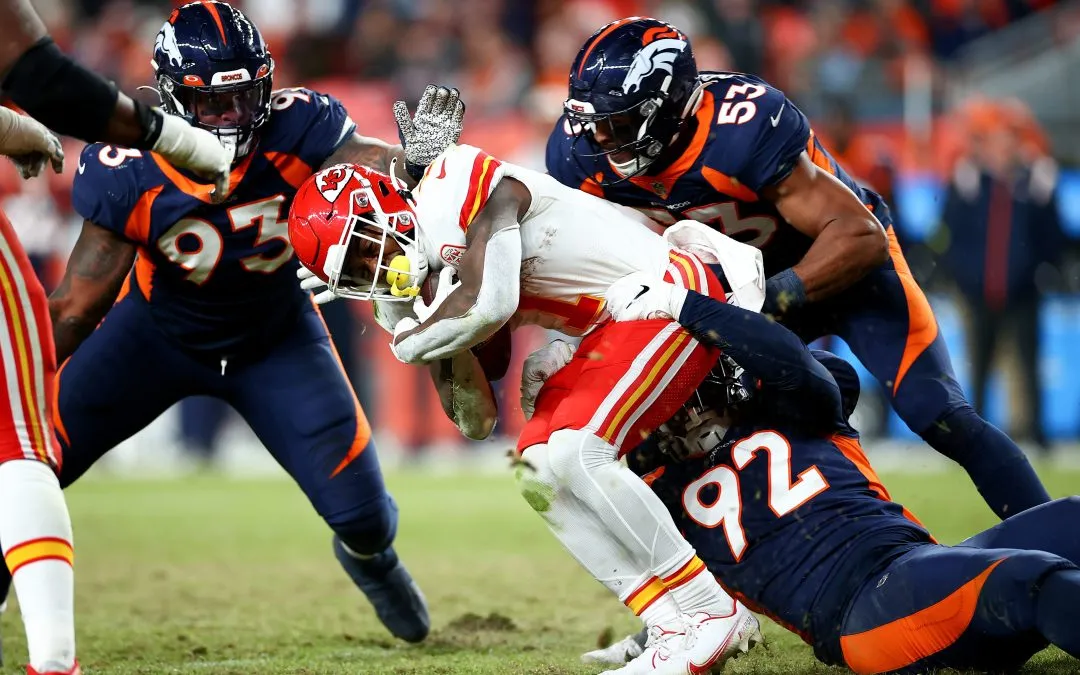
Super Bowl Sunday might signal the end of football season for fans, but for players in recreational and flag football leagues across San Francisco, the physical aftermath often stretches well into spring. The Bay Area has a thriving adult football community, and many of those athletes carry nagging injuries through the season that they finally acknowledge once the games stop.
At SF Custom Chiropractic, February and March bring a wave of football players dealing with shoulder impingement, chronic low back stiffness, ankle instability, and the kind of generalized soreness that months of weekly contact creates. The post-season window is the ideal time to address these issues before they become permanent fixtures.
Why Post-Season Recovery Matters
During the season, athletes tend to manage symptoms rather than fix problems. They ice after games, take anti-inflammatories, and power through discomfort because there is always another game next week. This approach works in the short term but allows compensatory movement patterns to develop.
A player with a stiff thoracic spine will rotate through the lumbar spine instead. Someone with a restricted ankle will load the opposite knee more heavily. These compensations are subtle, but over a full season they create secondary problems that outlast the original injury.
Addressing the root cause during the off-season breaks the cycle. Sports chiropractic care identifies and corrects the joint restrictions and movement dysfunctions that accumulated over months of play.
Common Football Injuries That Linger
The injuries that tend to persist after football season are typically not the dramatic ones. Sprains and fractures get immediate attention. It is the low-grade, repetitive injuries that fly under the radar.
Shoulder impingement from blocking and tackling creates a gradual narrowing of the subacromial space. Players notice it as a pinching sensation when reaching overhead or sleeping on the affected side. Without treatment, the rotator cuff tendons can develop tendinopathy that takes months to resolve.
Low back stiffness from the three-point stance and repeated flexion-extension cycles restricts lumbar mobility. The facet joints become compressed, the paraspinal muscles tighten protectively, and the result is a persistent ache that sitting makes worse.
Hip flexor tightness from sprinting and cutting affects pelvic mechanics and contributes to both groin pain and low back symptoms. Many football players have chronically short hip flexors by season’s end.
Soft Tissue Recovery Strategies
Restoring tissue quality is a critical part of post-season recovery. IASTM (Instrument-Assisted Soft Tissue Mobilization) is one of the most effective tools for breaking down the fascial adhesions and scar tissue that develop from repetitive impact and strain.
IASTM uses specialized instruments to detect and treat areas of fibrotic tissue. The treatment stimulates a controlled inflammatory response that initiates the healing process, allowing the tissue to remodel into a healthier, more functional state. Players typically notice improved range of motion and decreased tenderness within two to three sessions.
Combined with targeted stretching and corrective exercise, IASTM helps restore the soft tissues to pre-season quality so you start the next year without carrying old baggage.
Building an Off-Season Plan
The best off-season recovery plans address three priorities. First, restore full joint range of motion through chiropractic adjustments and mobility work. Second, rebuild tissue quality through soft-tissue therapy and progressive loading. Third, strengthen the areas that were overloaded or undertrained during the season.
For most recreational football players, a structured plan of six to eight visits over two months, combined with a home exercise program, is enough to resolve lingering issues and build resilience for next season.
Do not wait until training camp to deal with the pain you have been ignoring. The off-season exists for recovery. Use it.
Get Back to Full Strength
Football season is over. Recovery season starts now. Address the injuries you have been managing and enter next season stronger than you started this one.
Call us at (415) 521-3073 or book your appointment online today.