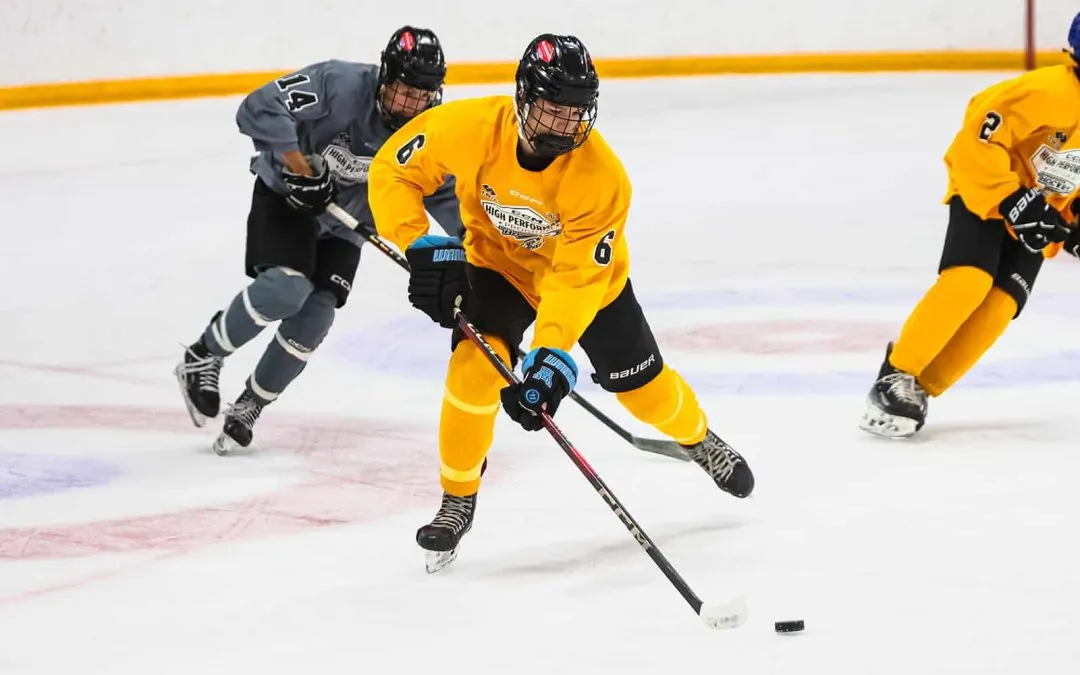
Hockey is one of the most physically demanding sports for the cervical and thoracic spine. Between body checks, sudden directional changes, and the forward-flexed skating posture, the neck and upper back absorb tremendous forces throughout every shift. Whether you play in a Bay Area recreational league or compete at a higher level, building resilience in these areas is essential for staying on the ice.
At SF Custom Chiropractic, we work with hockey players ranging from weekend warriors at Yerba Buena Ice Skating Center to competitive athletes. The injury patterns we see are predictable, and the prevention strategies are well-established.
Understanding the Demands on Your Neck
The hockey skating position places the thoracic spine in flexion while the neck extends to see the ice ahead. This creates a sustained load on the posterior cervical muscles and compresses the facet joints at the base of the skull. Add a helmet that weighs one to two pounds and the effective load on the neck increases further.
Contact makes things worse. A check that drives the shoulder into the boards sends a shockwave through the cervical spine. Whiplash-type injuries are common even in non-checking leagues because falls and incidental contact still generate rapid acceleration and deceleration forces.
Sports chiropractic care addresses the joint restrictions and muscle imbalances that develop from these repeated stresses. When the cervical and thoracic joints move freely, they can absorb impact more effectively and recover faster.
Neck Strengthening Fundamentals
A strong neck is a protected neck. Research on contact sports consistently shows that athletes with greater neck strength experience fewer and less severe concussions. The mechanism is straightforward: stronger muscles reduce the acceleration of the head during impact.
Isometric exercises are the foundation. Press your palm against your forehead and resist for 10 seconds. Repeat on each side and against the back of your head. Progress to band-resisted neck flexion, extension, and lateral flexion as the isometrics become easy.
Avoid heavy loaded neck exercises that sacrifice form. The cervical spine has small, delicate structures that respond best to controlled, progressive loading. Two to three sessions per week of focused neck work is sufficient for most players.
Upper Back Mobility and Stability
The thoracic spine needs to both move and stabilize during hockey. It must rotate for shooting and passing while remaining stable enough to absorb contact. When thoracic mobility is limited, the lumbar spine and neck compensate, which increases injury risk in both areas.
Foam rolling the thoracic spine, performing thread-the-needle stretches, and doing open-book rotations are simple ways to maintain upper-back mobility. For stability, rows, face pulls, and prone Y-T-W raises build the scapular muscles that anchor the upper back.
Active Release Technique is particularly effective for hockey players because it targets the specific soft-tissue adhesions that develop from the skating posture. Tight pectorals, restricted levator scapulae, and overworked upper trapezius muscles are common findings that respond well to ART treatment.
Pre-Game and Post-Game Protocols
Before stepping on the ice, spend five minutes on a dynamic warm-up that includes arm circles, thoracic rotations, and gentle neck range-of-motion exercises. The goal is to increase blood flow and neural activation in the muscles that will be working hardest.
After the game, static stretching and light foam rolling help the muscles recover. Focus on the chest, upper traps, and the muscles along the side of the neck. Apply ice to any areas that took direct contact, even if they feel fine immediately after the game. Delayed soreness from impact injuries often peaks 24 to 48 hours later.
Regular chiropractic check-ups during the season catch developing restrictions before they become injuries. Many of our hockey patients come in every two to three weeks during the season and less frequently during the off-season.
Stay in the Game
Hockey does not have to break down your neck and upper back. With consistent conditioning, proper warm-ups, and proactive chiropractic care, you can play hard and recover well.
Call us at (415) 521-3073 or book your appointment online today.