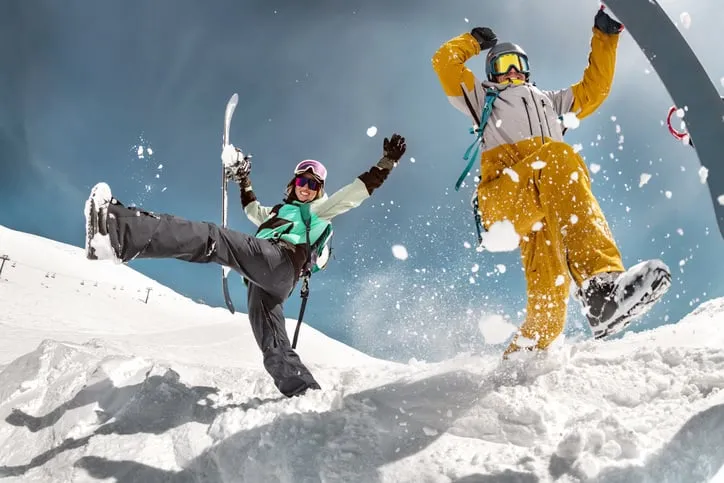
Living in San Francisco puts world-class skiing and snowboarding within a few hours’ drive. Palisades Tahoe, Kirkwood, Northstar, and a dozen other resorts draw Bay Area riders every weekend from December through April. But the combination of cold temperatures, variable conditions, and the high-impact nature of snow sports makes knee and hip injuries a regular occurrence.
At SF Custom Chiropractic, the weeks following major Tahoe weekends bring a predictable wave of patients dealing with knee strains, hip tightness, and lower-back pain from falls. Most of these injuries are preventable with the right preparation and awareness.
Why Knees Are Vulnerable on the Mountain
Skiing and snowboarding load the knees differently, but both sports demand significant knee stability under dynamic conditions. Skiers face ACL risk when a ski catches an edge and the lower leg rotates while the upper body continues forward. Snowboarders are more prone to MCL sprains from heel-edge catches and hyperextension injuries during landings.
Cold muscles are stiffer and slower to react. Many knee injuries happen in the first run of the day or immediately after a lunch break, when people go from sitting to high-speed carving without warming up. The quadriceps, hamstrings, and calf muscles need to be warm and responsive to protect the knee joint.
Before your first run, spend five to ten minutes doing bodyweight squats, walking lunges, and leg swings in the lodge or parking lot. It feels awkward, but it significantly reduces your risk.
Protecting Your Hips on the Slopes
Hip injuries in snow sports tend to be cumulative rather than acute. The crouched position of skiing and the asymmetric stance of snowboarding both place sustained demands on the hip flexors, external rotators, and glute muscles. After a full day on the mountain, these muscles are fatigued, tight, and prone to strain.
Falls add acute trauma to the mix. A hard landing on the hip, even with a padded layer, can cause deep bruising of the gluteal muscles or irritation of the trochanteric bursa. These injuries often feel like a minor ache initially but can progress to chronic hip pain if not addressed.
Sports chiropractic care after a day on the mountain helps restore pelvic alignment and address the muscle tightness that accumulates from hours of repetitive loading. Many of our patients schedule post-Tahoe adjustments as a regular part of their winter routine.
Pre-Season Conditioning That Actually Helps
The riders who get hurt least are the ones who prepare their bodies before the season starts. Effective pre-season conditioning for snow sports focuses on three areas: leg strength, hip mobility, and core stability.
Wall sits, single-leg squats, and lateral lunges build the endurance and control that skiing and snowboarding demand. Hip mobility work including 90/90 stretches, pigeon pose, and banded hip circles keeps the pelvis moving freely. Core exercises like dead bugs and Pallof presses train the trunk stability that protects the spine during falls and absorbs the vibration of rough terrain.
Start this work six to eight weeks before your first day on the mountain. Two to three sessions per week of 20 to 30 minutes is enough to make a meaningful difference.
What to Do After a Fall
If you take a hard fall, take a moment to assess before getting up. Move each joint through its range of motion. If you feel sharp pain, instability, or an inability to bear weight, do not try to ride down. Use ski patrol.
For moderate tweaks, ice the area for 15 to 20 minutes after you finish for the day. Gentle movement is usually better than complete rest. If pain persists beyond 48 hours or you notice swelling, get it evaluated. Early intervention prevents minor injuries from becoming chronic problems.
Ride Smart, Ride Long
Tahoe season is too short to spend it sidelined. Prepare your body, warm up before each session, and address any discomfort before it becomes a bigger issue.
Call us at (415) 521-3073 or book your appointment online today.